
Why Leading PEB Manufacturers in India Prefer Hot-Rolled Steel from Trusted Indian Steel Companies
Pre-engineered building projects in India operate under tight timelines, demanding load conditions and expectations of repeatable performance across multiple building. Structural steel choice,therefore, becomes a strategic lever for safety, cost and speed, rather than a routine purchase.
This article explains why many leading PEB manufacturers favour hot-rolled material from trusted Indian producers and how that preference supports dependable, scalable project delivery.
Performance Demands Unique to PEB Manufacturing
PEB fabrication follows a high-repeat workflow where cutting, drilling, forming, and welding must remain consistent acrossmany members so assemblies match drawings and site fit-up stays predictable.
This makes material consistency important, including steady thickness, flatness, and predictable behaviour during welding and forming. Steel for PEBs is therefore chosen not only for strength, but also for how reliably it performs across repeated fabrication steps.
Why Hot Rolled Steel Fits PEB Applications
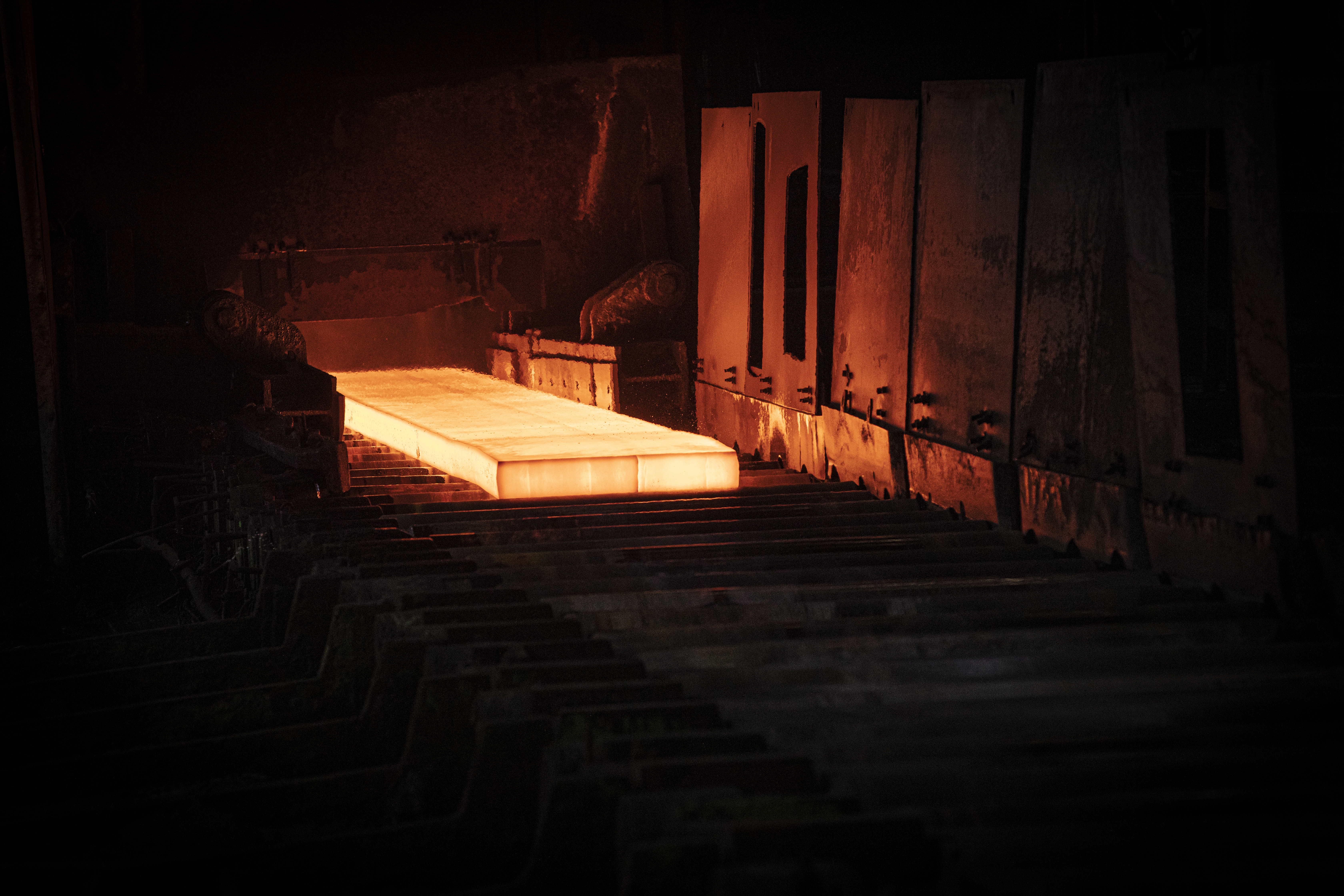
Hot-rolled steel is commonly used for PEB work because it suits typical shop processing and the thickness ranges needed for many frame components. Selection still depends on grade, dimensional control, and the quality checks followed by the supplier.
- 1. Broad thickness availability that can reduce frequent changes across components.
- 2. Generally suitable for cutting, drilling, and forming when specifications are met.
- 3. Predictable welding performance when chemical limits are controlled.
- 4. Useful for producing plates and fabricated members with consistent dimensions.
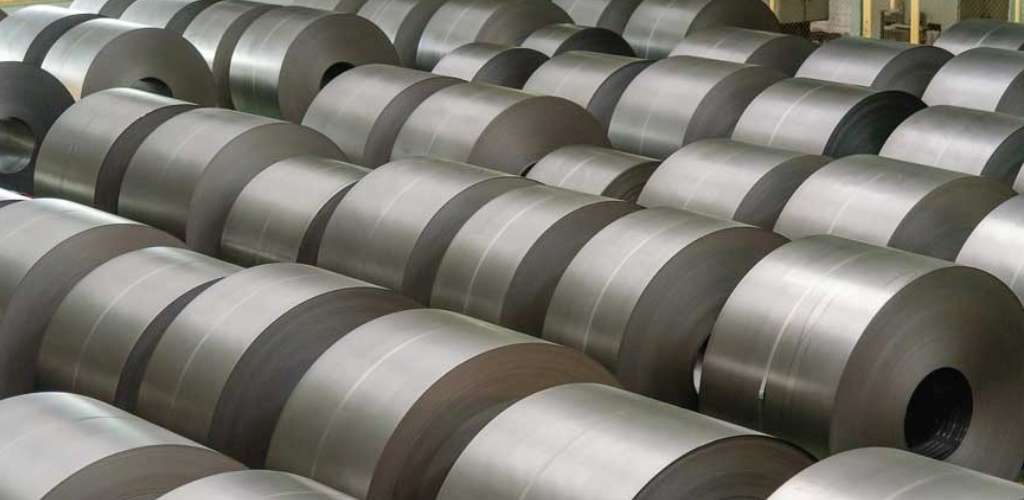
- 5. Often supplied as HR Coils for conversion, with batch identification that supports traceability.
Importance of Sourcing From Trusted Indian Steel Companies
Material quality is not only about what is ordered, but also hoe reliably it is delivered and documented. Working with a trusted steel company in India can help reduce the chance of mixed batches, unclear identification, or missing test details that slow down inspection.
Shorter supply distances and easier technical communication allow manufacturers to coordinate mill rolling programmes, service center cutting and delivery plans with workshop capacity and site readiness. Also, clear labelling, proper packaging, and complete paperwork make incoming checks faster and help the shop follow its production plan with fewer interruptions.
Standards, Compliance, and Quality Assurance as Decision Drivers
PEB manufacturing relies on a factory-style where many parts are produced to the same standards every day. Cutting, drilling, bending, and welding must stay accurate so that members match drawings and connections align during erection.
These records help quality teams confirms that the material matches the order and meets acceptance requirements. When a hot-rolled steel plate is supplied with strong traceability and clear test results, it supports smoother inspections and stronger quality control from start to finish.
Supply Reliability and Project Continuity
PEB construction sequences are usually tightly linked to the movement of steel from the mill to the fabrication yard and then to the site, Irregular supply can stop cutting lines, delay dispatches and leave site teams underutilised.
Planned arrangements with domestic producers, along with regular updates on order status and dispatched, allow manufacturers to phase procurement, maintain buffer stock for important members and keep work fronts active on site.
Long Term Value Over Short Term Cost
In PEB manufacturing, the true cost of steel is not only the purchase price. Variation in material quantity can led to higher scrap, extra welding corrections, more inspection time, and slower production.
Over time, these issues increase labour costs and affect delivery schedules. Consistent hot-rolled steel can reduce such disruptions and support stable output, which improves cost control scross multiple projects.
Conclusion
Leading PEB manufacturers often prefer hot-rolled steel beacuse it supports repeatable fabrication and reliable structural performance. The advantage is stronger when sourcing is done through trusted Indian suppliers such as AM/NS, who can provide compliance documents, traceability, and consistent deliveries. These factors help protect quality, maintain production flow, and support timely project completion.
Explore our latest Post
- Market Dynamics: Analyzing The Demand And Supply Of Hot Rolled Steel In India
- Hot Rolled Steel Sheets And Coils: Versatile Industrial Materials
- The Role Of AM/NS Stallion In Improving Modern-Day Agriculture
- The Manufacturing Process Behind Hot Rolled Steel
- Hot Rolled vs Cold Rolled Steel: Understanding the Differences