


The Process Behind Hot Rolled Steel Manufacturing
In the world of steel production, hot rolled steel is a common term that you've likely come across. Whether it's in construction, manufacturing, or even in your daily life, such steel plays a crucial role. But have you ever wondered how they are manufactured? In this blog, we'll take you on a journey through the fascinating world of producing such steel at AM/NS India, shedding light on the intricate process that transforms raw materials into the strong and resilient steel that we all depend on.
Understanding Hot Rolled Steel
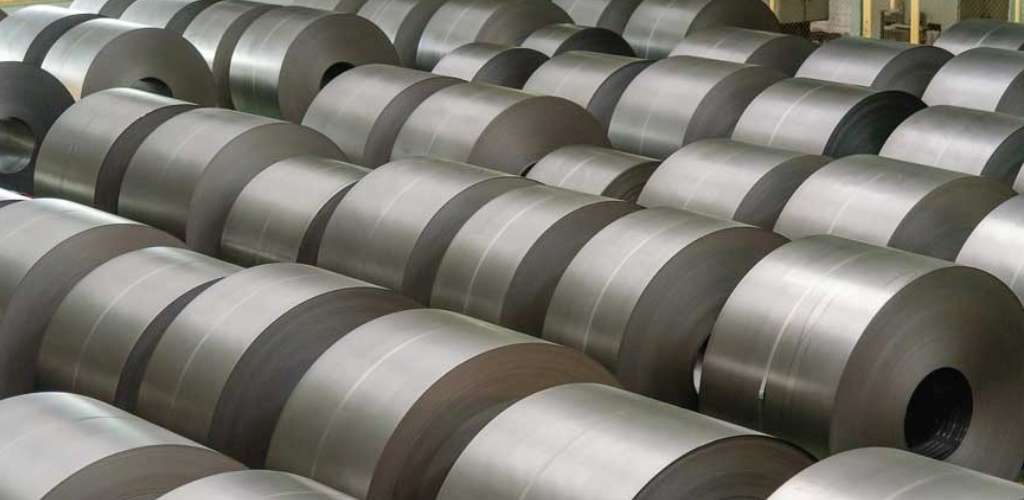
Before diving into the manufacturing process, let's get a clear understanding of what hot rolled steel is. Hot rolling is a manufacturing process when a steel slab is rolled above its recrystallizing temperature to strips, which is then rolled into coils, of desired thickness & width.
The Manufacturing Process
Slab Selection & Heating:
The journey of hot rolled steel begins with the selection of high-quality metal slabs, which are fed into a Reheating Furnace, where the slabs are heated in a furnace to extreme temperatures, often exceeding 2,200 degrees Fahrenheit (1,204 degrees Celsius), based on the type of steel grade being rolled.
Primary Descaling:
When the slabs exit the furnace, the slabs are covered with oxide layer which needs to be removed before rolling. Descaling involves high-pressure water jets (220 Bar) that clean the surface and prepares it for further processing.
Rolling:
Once the slab is descaled, it passes through a series of rollers. These rollers exert tremendous pressure, reducing the thickness of the steel slab and rolling to long steel strips.
Laminar Cooling:
Before the steel strip is rolled to coils, the steel strip is cooled by a laminal water stream in the hot rolling mill. This helps to stabilize the steel's microstructure, achieving the required properties.
Coiling:
The steel strip is then coiled for further processing or dispatched directly to our customers.
Applications of Hot Rolled Steel
This type of steel, created by AM/NS India, is an incredibly versatile material used in various industries and applications. It is commonly found in:
Automotive:
Found in the construction of car frames and chassis.
Yellow Goods:
Cranes & Backhoe Loaders
Agricultural Farm Equipment:
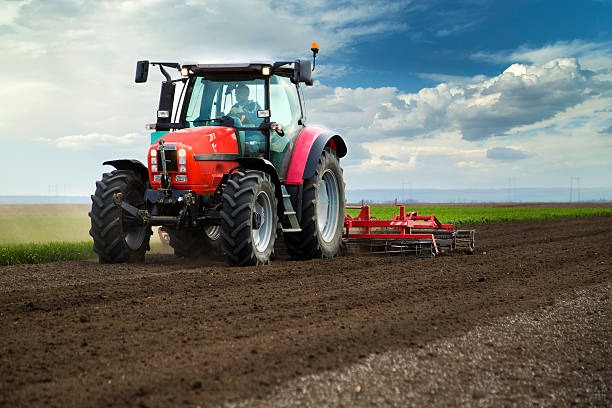
Plough Discs & Tractors
Commercial Vehicles:
Chassis & Tipper Fabrication
Manufacturing:
Employed in the production of machinery, equipment, and tools.
Pipelines:
Utilized for the transportation of liquids and gases.
Construction:
Used in beams, columns, and structural components.
Railways:
Railway Coach
Conclusion
The manufacturing process behind hot rolled steel at AM/NS India is a complex and fascinating journey, from the selection of raw materials to the final product. Its exceptional strength, versatility, and eco-friendliness make this steel a cornerstone of modern industry. The next time you see a skyscraper, a car, or a bridge, you'll have a deeper appreciation for the role hot rolled steel plays in our daily lives. It's not just material; it's the result of a remarkable manufacturing process that shapes the world around us.
FAQs
The hot rolled steel manufacturing process involves heating steel slabs above their recrystallization temperature and passing them through rollers to reduce thickness and shape them into strips or sheets. The steel is then cooled and coiled for further processing or distribution.
The main steps include slab selection and heating in a reheating furnace, primary descaling to remove surface oxides, rolling through a series of mills to reduce thickness, laminar cooling to control the microstructure, and finally coiling the steel strip for storage or transportation.
Steel is heated to very high temeratures, often exceeding 1200 C, so it becomes more ductile and easier to shape during rolling. Heating reduces the force required to deform the metal and improves its workability.
Hot rolled steel widely used in industries such as automotive manufacturing, construction, railways, agricultural equipment, pipelines, and heavy machinery due to its strength and versatility.
Controlled cooling stabilizes the steel's microstructure and helps achieve the required mechanical properties such as strength, toughness, and durability. Proper cooling also ensures consistent quality in the final steel product.
Explore our latest Post
- Market Dynamics: Analyzing The Demand And Supply Of Hot Rolled Steel In India
- Hot Rolled Steel Sheets And Coils: Versatile Industrial Materials
- The Role Of AM/NS Stallion In Improving Modern-Day Agriculture
- The Manufacturing Process Behind Hot Rolled Steel
- Hot Rolled vs Cold Rolled Steel: Understanding the Differences