
What are the Key Standards and Grades of Hot-Rolled Steel Sheets?
eel is an alloy of iron and carbon. Based on the carbon percentage, steel is categorized into different classes:
- 1. Low Carbon Steel (or Mild Steel): Contains up to 0.3% carbon.
- 2. Medium Carbon Steel: Contains 0.3% to 0.6% carbon.
- 3. High Carbon Steel: Contains 0.6% to 1.5 % carbon
- 4. Ultra High Carbon Steel: Contains 1.25% 50 2.0% carbon.
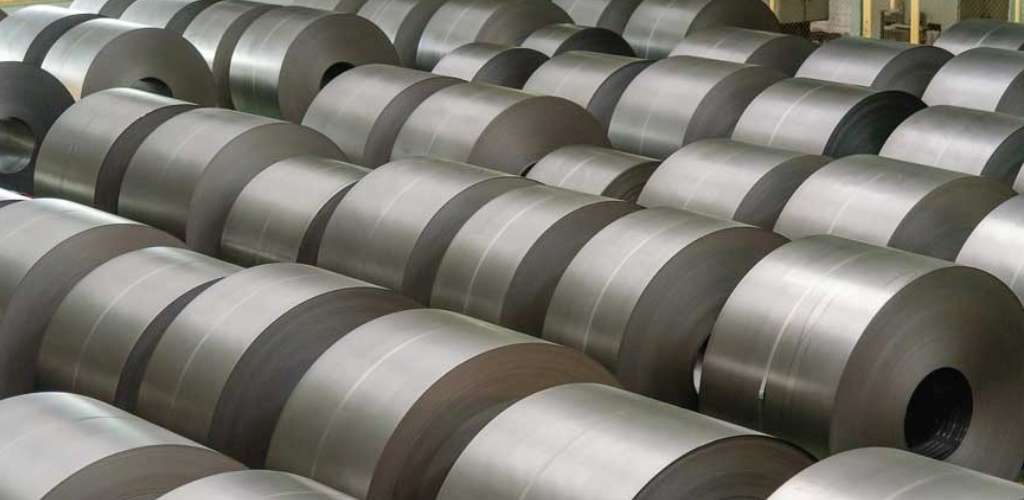
Hot-rolled steel sheets plates are steel that has been put through high-pressure rolling at temperatures over 1700 F. It's above the recrystallisation temperature for most steel, making it easier to form. This also makes the steel easily usable.
These steel plates can also include micro alloying elements like Nibium, Titanium, Vanadium, which help in enhancing the properties of steel. Different steel sheets and plates come with their share of properties like tensile strength, ductility, durability, and others.
Hot-rolled steel sheets typically have a scaled surface and slightly rounded edges.
What Are the Common Industry Standards for Hot-Rolled Steel Sheets?
IS 1079:2017
This important Indian Standard specifies the requirements for hot-rolled low-carbon steel sheets, plates, and strips. The standard covers various grades, from ordinary to deep drawing qualities, intended for automotive and general engineering applications involving drawing and forming. It also further defines parameters like shemical composition (maximum limits for carbon, manganese properties, which cover tensile strength, bend tests, and cupping tests, dimensional tolerances, and surface quality.
IS 2062:2011
IS 2062:2011 is an Indian Standard for hot-rolled medium and high tensile structural steel and specifies the requirements for various forms of structural steel, including plates, strips etc.
This standard further states the shemical composition and mechanical properties of different steel grades, each having its specific structural applications. It also details impact test requirements, dimensional tolerances.
The Grades
Hot-rolled steel sheets have several grades, and here we've highlighted two important ones. These steel sheets can be used in a range of applications like such as general engineering, automotive, structural, etc.
Here are the grades:
IS 2062:E250A
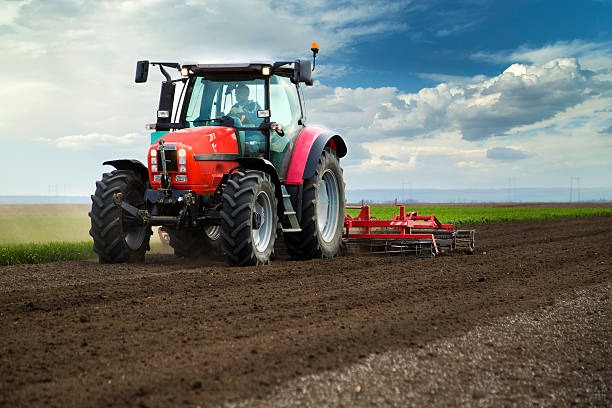
The hot-rolled steel for building has a minimum yield strength gurantee of 250MPa. Its usage is primarily in applications where a good balance of stregth, ductility, and weldability is required, without the need for guranteed impact toughness at low temperatures. Ex: Railway FOB, agricultural equipment, trailer fabrications, machinery fabrications, etc.
IS 2062 E250 BR
For the IS 2062 E250BR grade, there's need for a higher degree of safety and reliability compared to E250A, which doesn't mandate impact testing. E250BR is used in applications where Structural integrity is critical, and impact resistance is a concern, even at ambient temperatures.
Conclusion
At AM/NS, we follow sustainable practices. We are the best steel company in Indiato help you with the most heavy-duty applications. Our priority has always been to meet all the standards and offer the most suitable hot-rolled steel sor your demands. Why not get in touch with us?
FAQs
The main standards include IS 1079:2017 and IS 2062:2011 in India, along with international standards like ASTM (A1011, A1018) and EN standards. These standards define chemical composition, mechanical properties, tolerances, and quality requirements for steel sheets.
/02What are the common grades of hot-rolled steel sheets?
Common grades includes IS 2062 E250A and E250BR, along with international grades like ASTM A36, A1011, and EN S235/S355. Each grade is designed for specific applications based on strength, ductility, and weldability.
Hot-rolled steel sheets are classified into low carbon (up to 0.3%), medium carbon (0.3-0.6%), high carbon (0.6-1.5%), and ultra-highcarbon steel. This classification impacts strength, hardness, and formability.
E250A is used where basic strength and weldability are required without mandatory impact testing, while E250BR offers higher reliability and impact resistance, making it suitable for more critical structural applications.
Standards and grades determine mechanical properties, durability, and suitability for applications like construction,automotive,and heavy engineering. Selecting the right grade ensures safety, performance, and compliance with industry requirements.
Explore our latest Post
- Market Dynamics: Analyzing The Demand And Supply Of Hot Rolled Steel In India
- Hot Rolled Steel Sheets And Coils: Versatile Industrial Materials
- The Role Of AM/NS Stallion In Improving Modern-Day Agriculture
- The Manufacturing Process Behind Hot Rolled Steel
- Hot Rolled vs Cold Rolled Steel: Understanding the Differences