

Flatness, Tolerance and Yield: How Precision HR Coils Reduce Rework in Fabrication
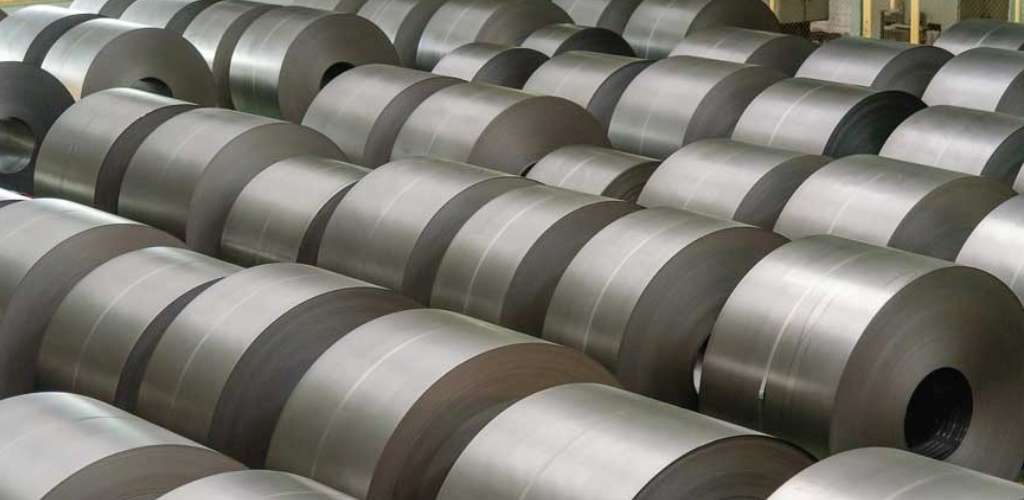
A fabricationjob can slow down long before welding or assembly begins. Quite often, the issue starts with the coil. If he hot-rolled coil does not behave well during cutting, levelling, forming, of fit-up, the shop floor may spend extra time correcting what should have been right at the first stage.
It's a significant factor for fabricators in India due to the typically compact production timelines and the challenging nature of material management in certain instances. The process can be more predictable if a coil can be controlled to be flatter and more dimensional. It does not resolve all fabrication problems, but it can minimise rework and simplify planning
Why Flatness Matters in HR Coil Processing?
Flatness affects how the material sits, moves, and responds during fabrication. When a coil is processed into sheets or parts, unevenness can create difficulty during cutting, stacking, forming, and assembly. Operators may need to spend more time checking the material before moving it to the next stage.
Good flatness can support:
- Easier feeding into processing lines.
- Better contact during cutting and forming
- Cleaner part handling after processing
- Smoother fit-up before welding
- Lower dependency on correction work.
In day-to-day fabrication, this can make a noticeable difference to workflow, especially when parts need to match drawing requirements closely.
Tolerance Control and Fabrication Accuracy
Tolerance is not just a purchase term. It affects how the material performs on the shop floor. Thickness, width, shape, and surface condition all influence fabrication quality. If the hot-rolled steel coil shows irregular variation, the finished parts may need extra inspection or correction before they can move ahead.
Fabricators should review tolerance requirements for:
- Cutting accuracy
- Bending and forming response
- Welding preparation
- Dimensional matching during fit-up
- Repeat production needs
When tolerances are discussed clearly at the buying stage, purchase teams and production teams are better aligned.
How Precision Reduces Rework
Rework usually comes from small mismatches that build up across the process. A part may need trimming. An edge may need finishing. A formed section may not sit as expected. None of these issues may look large on their own, but together they can slow down output and increase handling time.
Precision in HR coils may reduce rework by supporting:
- More consistent part dimensions
- Better nesting and cutting flow
- Fewer fit-up adjustments
- Less manual correction before welding
- Easier inspection clearance
This is why coil selection should not be limited to grade and availability. Fabricators should also ask how the material will behave across the full production route.
Yield Depends on MOre than Material Quantity
Yield is often viewed as material utilisation, but in fabrication, usable output matters just as much. If more cut parts need correction, the actual value of the material goes down. Even when the scrap level appears controlled, rework can affect labour time, machine availability, and dispatch planning.
Precision coils can support better yield by allowing:
- More dependable cut planning
- Better use of available coil width
- Cleaner movement between processes
- Lower chances of part rejection
- More predictable production flow
For Indian fabrication units, this can be important when handling regular orders, repeat components, or project-based supply.
What Buyers Should Check before Ordering
A good buying decision regarding AMNS HR steel begins with a clear technical discussion. Before placing and order, buyers should speak to the supplier about end use, processing method, tolerance expectations, surface condition, and documentation. The aim is to select material that suits the fabrication route, not only the purchase budget.
Buyers may review:
- Required grade and application suitability
- Tolerance and flatness expectations
- Surface condition for cutting or forming
- Coil identification and traceability documents
- Supplier support for repeat requirements
Conclusion
Flatness , tolerance, and yield are closely connected in fabrication. Using a well-chosen HR coil will simplify cutting, forming, fit-up, inspection and assembly. Less wasted correction time, smoother shop floor flow and improved utilisation of purchased material are the real benefits to fabricators.
When buyers evaluate coil quality with the full fabrication process in mind, they are more likely to support consistent output from the first operation to the final stage.
FAQs
Steel is the core material in pre-engineered buildings, providing structural strength, durability, and flexibility. It enables lightweight yet strong designs that improve construction efficiency and long-term performance in industrial and commercial projects.
Customized steel aloows manufacturers to tailor properties such as strength, thickness, and dimensions according to project requirements. This ensures better load-bearing capacity, improved durability, and optimized structural performance in PEBs.
Hot rolled steel products such as HR coils and plates are commonly used in PEB construction due to their strength, weldability, and flexibility. These materials are ideal for structural components that require durability and precision.
Customized steel enhances performanceby meeting specific engineering requirements, improving resistance to environmental conditions, and ensuring structural stability. It also helps reduce material waste and improves overall project efficiency.
PEBs are widely used in industries such as warehouses, manufacturing plants, logistics hubs, and commercial buildings. These structures benefits from customized steel solutions that provide durability, scalibility, and cost-effectiveness.
Explore our latest Post
- Market Dynamics: Analyzing The Demand And Supply Of Hot Rolled Steel In India
- Hot Rolled Steel Sheets And Coils: Versatile Industrial Materials
- The Role Of AM/NS Stallion In Improving Modern-Day Agriculture
- The Manufacturing Process Behind Hot Rolled Steel
- Hot Rolled vs Cold Rolled Steel: Understanding the Differences