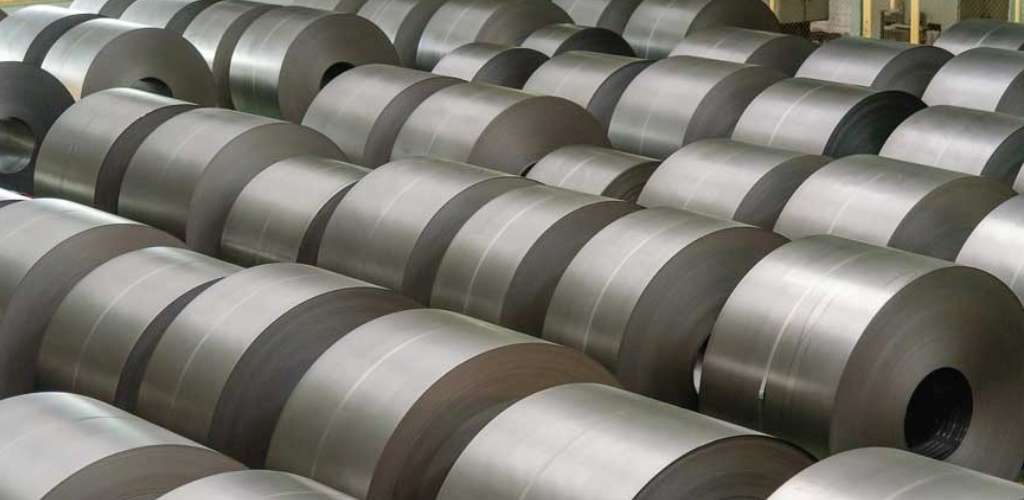


From Coil To Component: How Hot Rolled Steel In India Impacts End-Product Performance
When you assess hot-rolled steel in India, it is easy focus on availability, size, and cost at the coil stage. Yet the real effect of that materials is seen much later, when the coil is processed into parts, assemblies, and finished products that must meet design intent without avoidable setbacks.
The link between coil quality and end-product performance is not limited to one stage of production. It runs through forming,cutting, welding, fit-up, surface preparation, and final use. That is why buyers, fabricators, and production teams tend to look beyond procurement and examine how the steel will behave across the full manufacturing cycle.
Why Coil Quality Travels Into The Finished Part?
A coil is not just a starting format. It sets the tone for what happens on the shop floor and what reaches the end user.
When the incoming material is aligned with the intended application, downstream work tends to stay more controlled and more predictable.
- Dimensional consistency influences how smoothly the material moves through cutting, bending, and assembly.
- Surface condition also affects preparation needs before coating, joining, or any further processing
- Material behaviour during fabrication can also impact part shape, edge condition, and finish quality.
- Alignment between specification and use supports a better fit between design intent and production output.
In many manufactururing environments, small deviations at the coil stage can carry forward into rework, slower processing, or tighter inspection pressure at later stages.
What End-Product Performance Really Depends on
End-product performance is often discussed only in relation to the final component. In reality, it begins much earlier with how the AMNS steel is selected and processed.
What matters is not just whether the steel can be used, but whether it supports the intended manufacturing route without creating avoidable friction.
- Formability affects how the material responds during shaping and profiling.
- Weld response matters where the product includes joined sections or fabricated assemblies.
- Surface scale and finish can influence preparation steps before painting or further treatment.
For procurement rarely comes straight from the coil to the final use. It usually passes through multiple operations, and each one places its own demand on the steel.
Why Processing Readiness Matters
A component rarely comes straight from the coil to the final use. It usually passes through multiple operations, and each one places its own demand on the steel.
If the steel suits the process route, production teams spend less time correcting issues that began with a material mismatch.
- Laser cutting teams look for clean processing behaviour.
- Fabrication teams values material that supports stable bending and forming.
- Welding teams consider how the steel integrates into the broader assembly process.
- Quality teams review consistency bending and forming.
- Quality teams review consistency beacuse variation can affect repeatability across batches.
Here, procurement, engineering and fabrication need to remain closely connected. The correct decision is the one that favours the entire process and not the initial transaction.
Why Supplier Discipline Affects Output
The role of a hot-rolled steel supplier extends beyond dispatch. Supplier discipline influences tracaceability, communication, and confidence in what arrives at the plant.
For buyers, the supply side matters because documentation and material clarity support faster technical decisions.
This is why supplier assessment is often tied to end-product reliability. The conversation is not only about sourcingsteel, but about sourcing steel with process confidence.
Conclusion
From the first cut to the final assembly, coil selection can influences how a product is made and how confidently it moves through production. That is why hot-rolled steel in India should be evaluated not only as a raw material but also as a deciding factor in manufacturing quality, process flow, and finished-part consistency.
FAQs
Steel is the core material in pre-engineered buildings, providing structural strength, durability, and flexibility. It enables lightweight yet strong designs that improve construction efficiency and long-term performance in industrial and commercial projects.
Customized steel aloows manufacturers to tailor properties such as strength, thickness, and dimensions according to project requirements. This ensures better load-bearing capacity, improved durability, and optimized structural performance in PEBs.
Hot rolled steel products such as HR coils and plates are commonly used in PEB construction due to their strength, weldability, and flexibility. These materials are ideal for structural components that require durability and precision.
Customized steel enhances performanceby meeting specific engineering requirements, improving resistance to environmental conditions, and ensuring structural stability. It also helps reduce material waste and improves overall project efficiency.
PEBs are widely used in industries such as warehouses, manufacturing plants, logistics hubs, and commercial buildings. These structures benefits from customized steel solutions that provide durability, scalibility, and cost-effectiveness.
Explore our latest Post
- Market Dynamics: Analyzing The Demand And Supply Of Hot Rolled Steel In India
- Hot Rolled Steel Sheets And Coils: Versatile Industrial Materials
- The Role Of AM/NS Stallion In Improving Modern-Day Agriculture
- The Manufacturing Process Behind Hot Rolled Steel
- Hot Rolled vs Cold Rolled Steel: Understanding the Differences