
How Hot Rolled Steel Improves Welding Performance
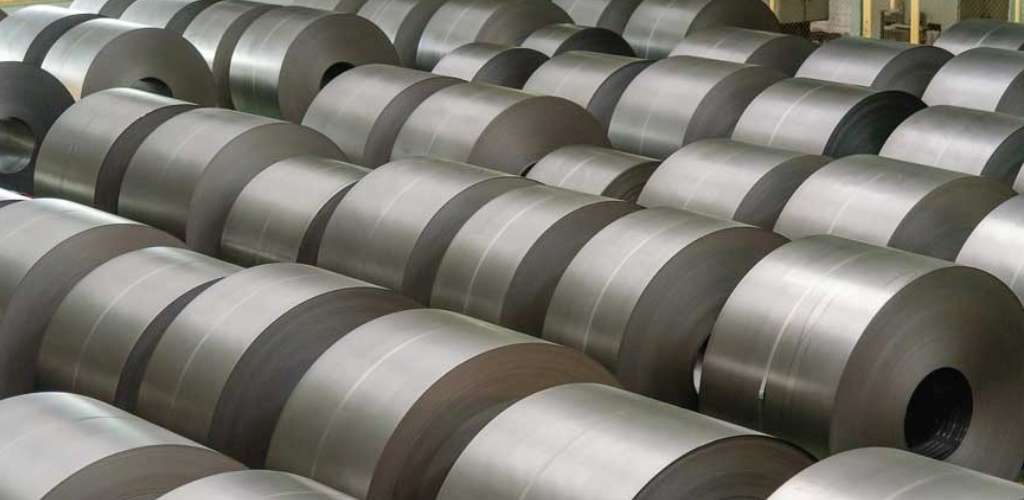
Welding is not just about joining two metal pieces together; it is about doing it in a way that the joint holds up for years without failing. And a lot of that outcome, more than people usually give credit for, depends on the base material itself. This is where hot-rolled steel earns its reputation. Fabricators, contractors and engineering teams across the country keep coming back to it, and there are solid reasons behind that preference, not just habit.
In this blog, we will look at why hot-rolled steel performs so well under the torch, what makes HR Steel easier to work with on the shop floor, and how AMNS HR Steel specifically has been built to support demanding welding applications.
Why the Rolling Process Matters for Welding
Hot rolling happens above the recrystallisation temperature of the metal. What this does is refine the grain structure and relieve a lot of the internal stresses that could otherwise cause distortion or cracking during welding. Cold-rolled steel, in comparision, is rolled below this temperature and usually needs extra heat treatment afterwards to get similar properties.
Beacause hot-rolled steel already carries a more workable microstructure straight out of the mill, welders don't have to fight the materials as much. Less resistance during heating, more predictable behaviour during cooling. That combinationis exactly what a good needs.
Weldability and Carbon Equivalent
One thing engineers check before choosing any steel grade is the Carbon Equivalent, or CE. It's a number that roughly tells you how easy or difficult a particular steel will to weld without preheating or special procedures. Lower CE values generally mean better weldability, fewer chances of hydrogen cracking, and smoother arc control.
HR Steel from AMNS Stallion is manufactured with this in mind. THe grades are formulated so that fabricators don't need overly complicated welding procedures just to get a clean, strong joint. This matters a lot when you're working on tight project timelines and can't afford rework.
Practical Benefits Fabricators Notice
Talk to anyone who has welded both hot-rolled and cold-rolled variants, and they'll usually tell you similar things. Here's what tends to come up most often:
- Reduced risk of cracking near the heat-affected xone
- More uniform penetration during multi-pass welding
- Fewer surface defects that need gridning before welding starts
- Better tolerance to minor variations in welding parameters
- Consistent behaviour across coils and sheets sourced from the same batch
These aren't small conveniences. On a large fabrication job, they translate directly into fewer rejected welds and faster turnaround.
Roofing and Cladding SystemsHow AMNS Stallion HR Steel Supports This
AMNS HR Steel is produced at AMNS India's integrated facility in Hazira, where the company runs three separate ironmaing routes under one roof: Blast Furnace, Corex, and Midrex. That level of process control isn't something every steel supplier can offer, and it shows up in the consistency of the final product.
| Property | Why it Helps Welding |
|---|---|
| Controlled grain structure | Reduce distortion during heating |
| Tight thickness tolerance | Ensures uniform weld penetration |
| Low CE grades available | Minimises the need for preheating |
| Consistent surface finish | Fewer defects to clean before welding |
Fabricators working with pipe manufacturing, machine bodies, transmission towers and similar heavy applications rely on this consistency because a single bad batch can throw off an entire production line.
A Few Things to Keep in Mind Before Welding HR Steel
Even good material to be handled properly. A few point worth remembering:
- Always check the grade specification (IS, ASTM, EN, DIN) before starting, since tolerance vary.
- Cleanthe surface of mill scale or rust before striking an arc.
- Match filter material to the base metal's chemistry; don't just guess.
- For thicker sections, consider preheating even if CE is low, just to be safe.
Final Word
Hot-rolled steel isn't just a cheaper alternative to cold-rolled variants; it genuinely performs better in a lot of welding scenarios because of how it's produced. Wherther you're a small fabrication unit or running a large engineering project, choosing the right HR Steel can save you time, money, and rework down the line.
AMNS Stallion has built its reputation around exactly this kind of reliability. If your work depends on strong, predictable welds, AMNS HR Steel is worth looking at closely before you finalise your next order.
Explore our latest Post
- Market Dynamics: Analyzing The Demand And Supply Of Hot Rolled Steel In India
- Hot Rolled Steel Sheets And Coils: Versatile Industrial Materials
- The Role Of AM/NS Stallion In Improving Modern-Day Agriculture
- The Manufacturing Process Behind Hot Rolled Steel
- Hot Rolled vs Cold Rolled Steel: Understanding the Differences