
Innovation in Hot-Rolled Steel Sheet Coatings: Strategies for Corrossion Resistance
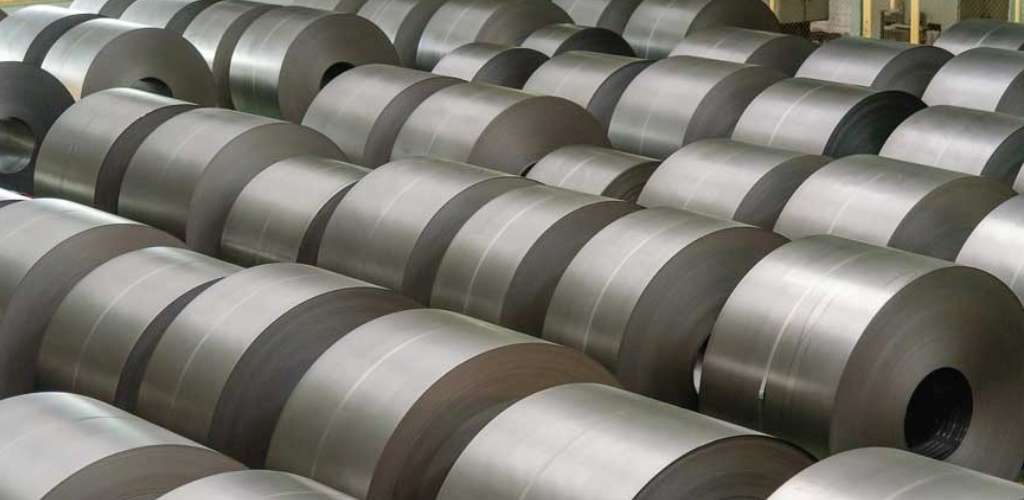
In today's industries, durability and long-term performance take center stage when selecting materials. In the steel scenario, this is ensured by coating a hot-rolled steel sheet with zinc-based alloys, such as zinc-magnesium or zinc-aluminium. They provide superiro resistance against corossion, extend the lifespan of the sheets, and reduce maintenance costs, making the coating and sheets a preferred choice.
Advances in Protective Coatings
When it comes to steel, corrosion has been a problem since time immemorial, and traditional methods to deal with it involved generic galvanization. New advancements in chemical layering and hot-rolled coil coatings are helping these protective measures ensure product consistency and safety from corrosion, even in harsh environments.
Applications Across Different Sectors
The coating technology is most used in construction. Today's infrastructure demands materials that can withstand difficult weather conditions, humidity, and ecposure to chemicals. Coated steel offers steel for building the necessary strength and resilience.
Builders and contractors turn to these coatings for steel because it's reliable and offer stability to the structure. The automotive sector designs body panels and chassis components that need to be corossion-resistant, making the hot-rolled steel sheet more important. As a result, the best steel company in India has its work cut out.
Industry Leader's Role
THe coatings aren't just enough; the producers also have to be adept at their job. With rapid urbanization and growing industrial needs, manufacturers need to adapt to the changes quickly.
Through close collaboration with specialists, manufacturers can customize their steel sheets for specific applications, such as infrastructure projects or power plants. What manufacturers offer is a higher-quality product that can meet and exceed the expectations of industries.
Tailoring Performance for Indian Conditions
Certain places in India have extreme weather conditions, and no matter what it is, the steel has to perform, and so does the coating, Therefore, leading manufacturers are developing protective layers for hot-rolled steel sheets with enhanced alkaline resistance (if used near concrete), increased stability against intense sunlight, and improved adhesion for further painting and sealing.
The Future
The future of hot-rolled steel sheet coating is in nanotechnology, self-healing surfaces, and environmentally friendly alternatives. For instance, nanocoatings are designed to create protective and strong layers that offer great resistance and don't add to the weight at the same time.
Self-healing coatings can repair the microscopic cracks automatically, which is a promising advancement.
There are also eco-friendly coating solutions that are gaining traction, and sustainability is no longer a buzzword. It's important to reduce the use of harmful chemicals as much as possible while still providing superlative corrosion resistance. This is a demand that steel manufacturers are addressing with urgency, and structures have to last for years and years.
Conclusion
Hot-rolled steel sheet coating innovations are an important shift in how steel is produced and used, and AM/NS is upping its coating game to make its coils corrosion-resistant. By keeping damage to the coils away, industries such as construction and automotive will undoubtedly benefit. The suture of steel coatings shows greater possibilities in terms of long-term performance and cost-efficiency.
Explore our latest Post
- Market Dynamics: Analyzing The Demand And Supply Of Hot Rolled Steel In India
- Hot Rolled Steel Sheets And Coils: Versatile Industrial Materials
- The Role Of AM/NS Stallion In Improving Modern-Day Agriculture
- The Manufacturing Process Behind Hot Rolled Steel
- Hot Rolled vs Cold Rolled Steel: Understanding the Differences