
Common Myths About Hot Rolled Steel: What Indian Buyers Should Know
Procurement teams and fabricators across India often hear sweeping statements about steel grades and processing routes. Hot rolling gets its fair share of myths, and those myths can complicate purchasing decisions. The points below unpack common misconceptions so buyers can frames better RFQs and shop-floor plans.
Myth 1: "Hot Rolled Steel is too Rough for quality Work"
What to consider: Surface finish from hot rolling may show mill scale, yet finish alone rarely determines suitability. Many projects prioritise formability, weldability, and downstream processing over initial appearance.
If a cleaner llok is required, plan for steps such as shot-blasting, pickling, light grinding, or a primer after fabrication. The key is alignning the finish with intended end use rather than rulling out the material on the first glance.
Myth 2: "Hot Rolled Coil is Only for Heavy Structures"
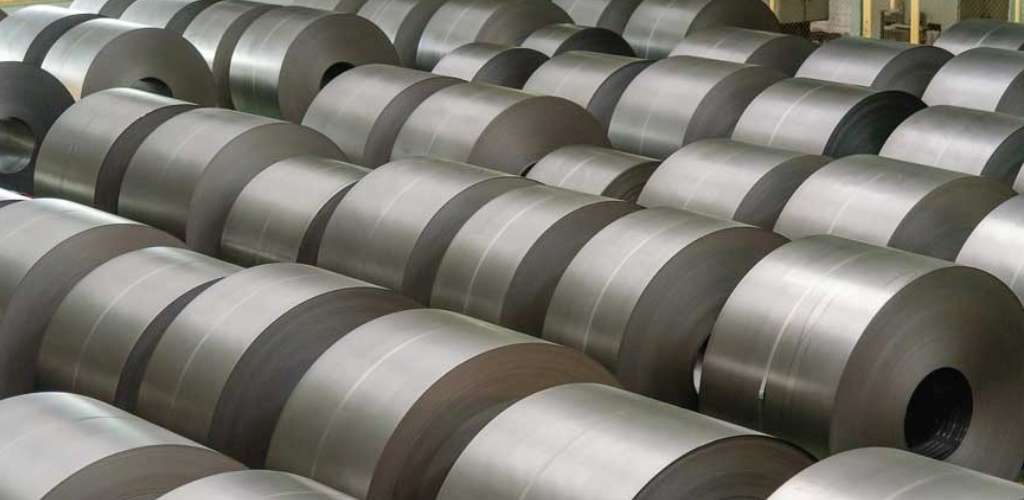
What to consider: Hot rolled coil & HR coil feeds a wide variety of thicknesses and grades that can serve multiple sectors, from general fabrication to construction accessories and equipment frames.
Myth 3: "Tolerances are Too Loose for Precise Fabrications"
What to consider: Dimensional control can vary by mill setup, grade, and width. Rather than assuming a single standard, confirm the tolerance band listed on the test certificate and request the class that aligns with your drawings.
Where tight fits or seating faces are critical, many teams factor in a light machining allowance or a finishing pass on selected areas instead of across entire parts.
Myth 4: "It's Always the Cheapest Option"
What to consider: The price shifts with grade, width, thickness, coil weight, logistics routes, and market conditions. A headline rate tells only part of the story. Landed cost often depends on yield, processing time, handling, and the predictability of delivers. A supply that fits the workflow may reduce hidden costs, even when initial coil rates look similar.
Myth 5: "Hot Rolled Steel is Difficult to Weld or Cut"
What to consider: Routine preparation generally helps, clean the weld zone, pick suitable consumables, and control heat input. For cutting, plan kerf, dross removal, and any edge cleanup where parts require tight fit-ups.
Clear work instructions usually to ensure repeatability steady across shifts, particulary when multiple cutting processes (oxy-fuel, plasma, laser) share the same progamme.
Myth 6: "Imported Coil is Automatically Better Than Domestic Supply"
What to consider: Performance on the shop floor often comes down to lead time, documentation, consistency, and after-sales support. For projects with firm milestones, local availability and shorter transit can assist planning.
When comparing offers, evaluate route reliability, typical delivery windows, and ease of replenishment for change orders, not just origin.
Conclusion
Hot rolling produces versatile feedstock that can easily integrate smoothly into Indian fabrication and construction workflows when specified with intent. Rather than relying on broad assumptions, buyers may benefit from a requirement-led approach define the job, select the grader and tolerance class, plan the finish,and synchronise deliveries with production.
With those basics in place, hot-rolled steel and hot-rolled coil can support consistent, predictable results across the project lifecycle.
Explore our latest Post
- Market Dynamics: Analyzing The Demand And Supply Of Hot Rolled Steel In India
- Hot Rolled Steel Sheets And Coils: Versatile Industrial Materials
- The Role Of AM/NS Stallion In Improving Modern-Day Agriculture
- The Manufacturing Process Behind Hot Rolled Steel
- Hot Rolled vs Cold Rolled Steel: Understanding the Differences