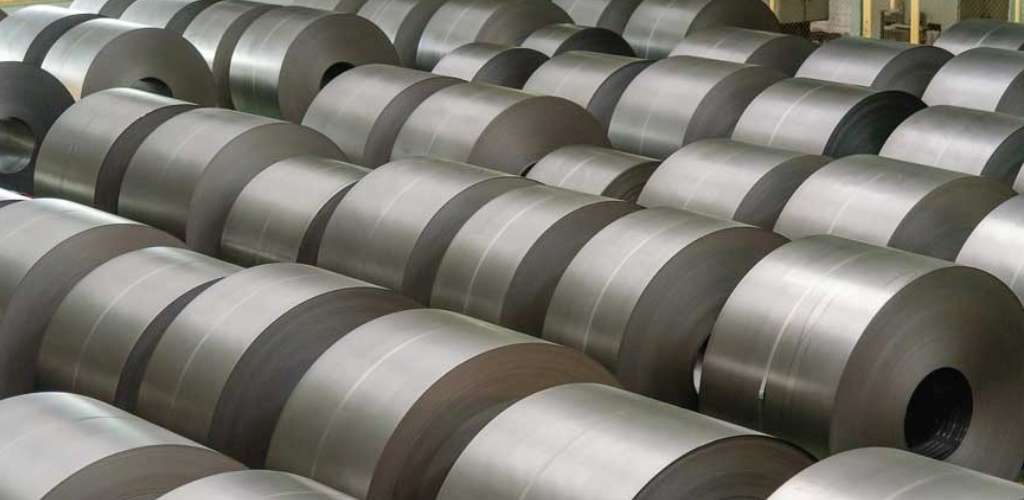


Applications of Hot-Rolled Steel in Construction
Construction sites across India run on one material that rarely gets the credit it deserves, and that material is steel. Among the many forms avialble, hot-rolled steel has carved out a place for itself that few other products can match. Builders, Contractors, and structural engineers keep coming back to it, not because it's trendy, but because it simply works, project after project, in ways that hold up under real pressure.
This post looks at where and how hot-rolled steel shows up on construction sites, why it has become such a dependable pick, and what makes AMNS HR steel worth considering when you're sourcing for your next project.
What Makes Hot Rolled Steel Suitable for Construction
Steel that is rolled at high temperature, above its recrystallisation point, comes out with a certain kind of workability that cold-rolled variants can't always offer. The heat softens the metal just enough so it can be shaped, cut, and welded without a ton of extra effort or cost. That is a big part of why HR steel has stayed relevant for decades in a field where budgets and timelines matter as much as strength does.
A few properties push it ahead in cinstruction settings:
- Good tensile strength, useful for load-bearing elements
- Easier to weld compared to some treated alternatives
- Reasonably priced, since the manufacturing process skips extra annealing steps
- Available in thicknesses and grades that suit different structural needs
Structural Framing and Beams
Most people picture skeletal steel frames when they think of tall buildings, and that picture isn't wrong. Hot-rolled steel sections, beams, angles, and channels form the backbone of commercial structures, warehouses, and multi-storey residential towers. The material's ability to handle heavy static and dynamic loads without buckling makes it the natural choice when architects design for height or span.
Why Framing Projects Prefer It
- It resists deformation under sustained weight
- Sections can be customised in length, so there's less wastage on site
- Fabrication is quicker because welding and cutting go smoothly
Roofing and Cladding Systems
Roof sheets and cladding panels made from HR steel are used widely in factories, sheds, and agricultural structures. They're light enough for easy installation yet strong enough to survive monsoons, hailstorms, and the kind of wear that outdoor exposure brings over the years.
Contractors also like that roofing sheets sourced from a reliable supplier, such as AM/NS, come pre-finished in consistent thickness, which cuts down on rework at the site. Uneven sheets cause leaks and misalignment, something nobody wants to deal with mid-project.
Reinforcement and Pipe Manufacturing
Reinforcement bars and structural pipes both draw heavily from hot-rolled coil stock. Once rolled, the steel is processed into pipes used for water supply lines, scaffolding, and even underground utility networks. Because the raw coil can be shaped into various pipe diameters, suppliers like AM/NS India are able to serve everyone from small local contractors to large infrastructure companies working on government tenders.
Why AMNS HR Steel Stand Out for Builders
There's no shortage of steel suppliers in the country, so what tips the scale in favours of AMNS HR steel? Here are a few things:
- Consistent thickness across the coil, which menas less material is rejected at the site
- Flatness that supports laser cutting and precision fabrication
- A wide range of grades, from IS 2062 E250 to E350, matching different load requirements
- Large manufacturing capacity out of the Hazira plant Gujarat, so supply doesn't dry up mid-project
For a builder juggling deadlines, that last point matters more than people assume. Running out of steel mid-construction isn't just inconvenient; it can delay an entire schedule by weeks.
Cost Efficiency Over the Project Lifecycle
Hot rolling skips the extra step of annealing that cold-rolled steel requires, so hot-rolled steel tends to be more affordable right from the procurement stage. Add to that lower wastage during fabrication (becuase sheets can be custom-ordered to size), and the overall cost per project comes down noticeably. For large-scale housing or infrastructure work where every rupee counts, this efficiency is not a small thing.
Sustainability Angle
Steel, in general, is one of the more recyclable construction materials out there, and HR steel fits into that story well. Offcuts and scrap from fabrication can go straight back into the recycling stream, which appeals to builders trying to keep their environmental footprint down, especially with green building certifications becoming more common in Indian real estate.
Final Thoughts
Construction in India has grown more demanding over the years, with taller buildings, faster timelines, and tighter budgets all pulling in different directions. Hot-rolled steel manages to satisfy most of those pulls at once, offering strength, affordability, and flexibility that few materials can combine so well. Whether it's framing, roofing, reinforcement, or piping, this material shows up in nearly every phase of a build.
For builders looking to sources dependable materials, AMNS HR steel offers the kind of consistency and range that large projects need. It isn't flashy, but in construction, dependability usually wins over flash anyway.
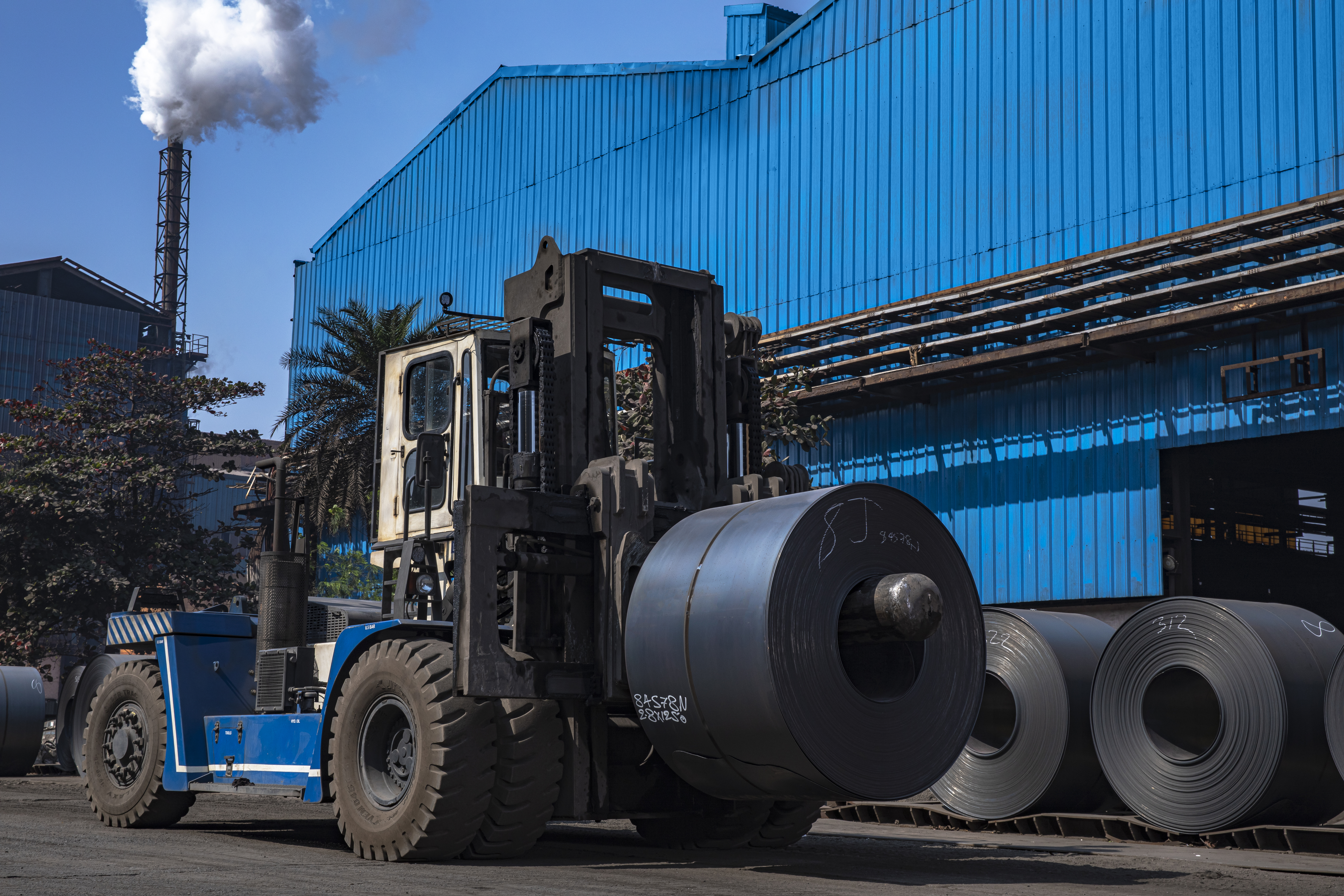
Explore our latest Post
- Market Dynamics: Analyzing The Demand And Supply Of Hot Rolled Steel In India
- Hot Rolled Steel Sheets And Coils: Versatile Industrial Materials
- The Role Of AM/NS Stallion In Improving Modern-Day Agriculture
- The Manufacturing Process Behind Hot Rolled Steel
- Hot Rolled vs Cold Rolled Steel: Understanding the Differences