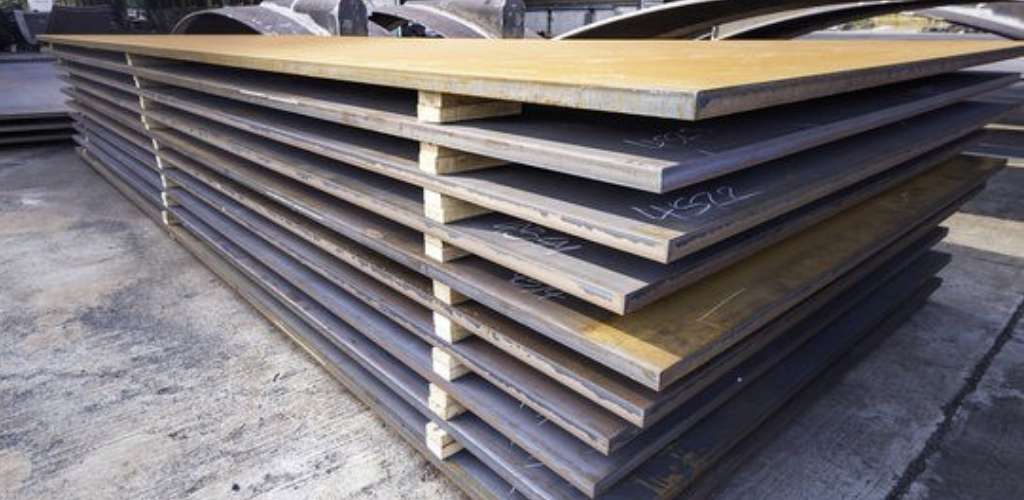

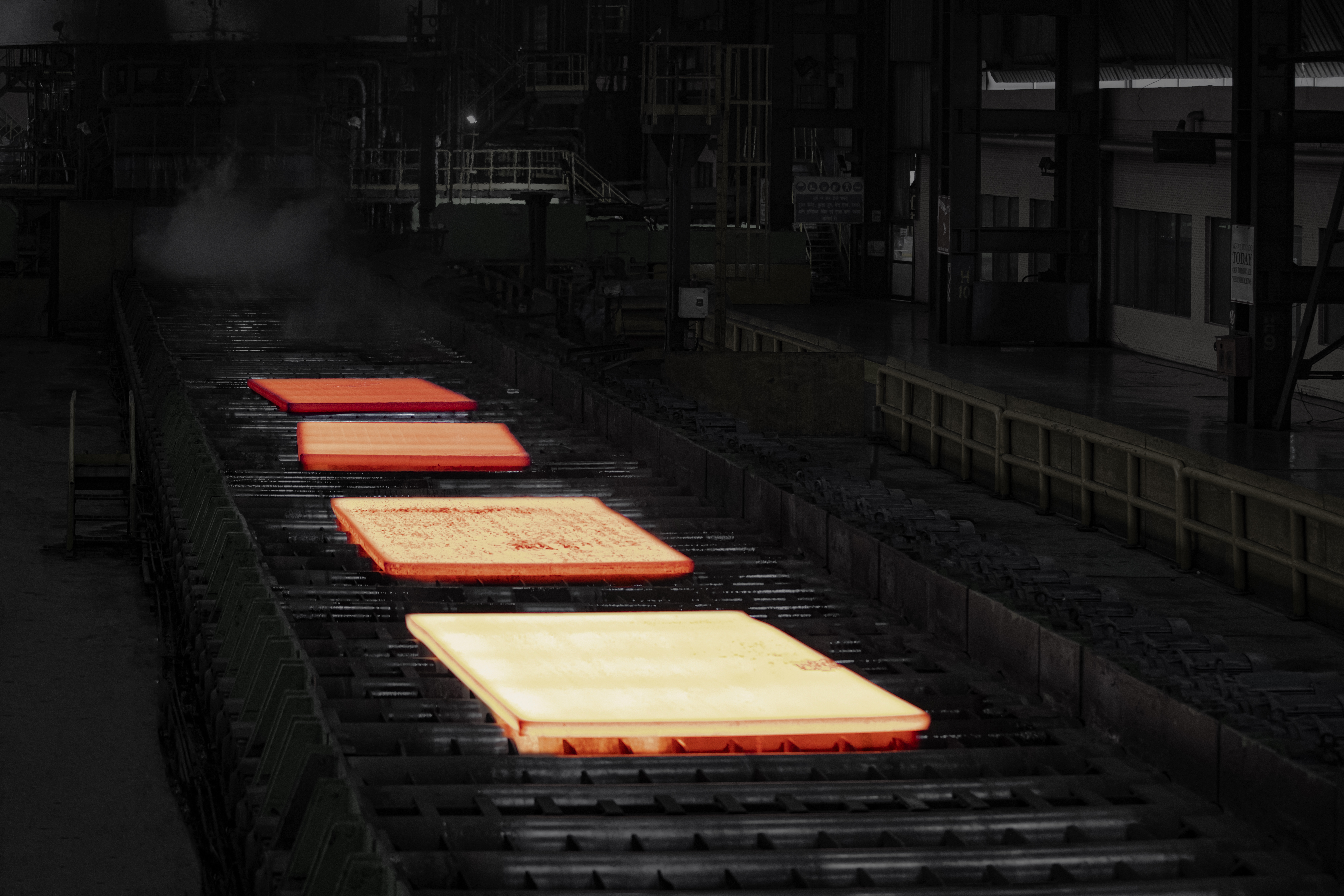
From Standard to Specialised: When Should You Customise Heavy Plates For Indutrial Projects?
Plate selection is not just a purchase decision in idustrial projects. It also impacts on fabrication, fit up, welding, use of material and general performance. Normal supply might suffice up to the point when the project begins to require more control, and when the generic decision is no longer sufficient.
That is the point where teams need to assess whether it makes more sense to customise heavy plates for the job.
When Standard Plates Stop Being the Right Fit
Standard plates tend to be typically used in projects that have simple design and fabrication requirements. The issue arises when the project requirements exceed simple supply.
When a plate fits more closely to engineering, prduction, or installation needs, a standard size will lead to unwarranted changes in the future.
- The required dimensions do not align well with the standard supply.
- The fabrication team expects excessive cutting or trimming.
- The plate layout may lead to avoidable joints.
- Material use may become less efficient than planned.
- Fit-up on-site may become harder to manage.
When Fabrication Demands Become More Specific
A project often needs a more specialised approach when the fabrication route becomes demanding. Heavy plates are not selected in isolation. Theyt move through cutting, welding, forming, machining, and assembly.
If these stages require closer control, a standard heavy steel plate may not always support the process in the most suitable way.
- Welding preparation may require better dimensional consistency.
- Forming or bending may call for a closer review of plate suitability.
- Machining allowances may need more careful planning.
- Assembly requirements may demand improved flatness or tolerance control.
- Shop-floor efficiency may depend on receiving the plate closer to the required size
When Project Design Calls For Better Material Planning
Industrial design are often developed around performance, load path, fabrication method, and installation sequence. If the plate order does not support that design logic, the project may lose time and material in the transition from drawing to execution.
This is where customised plate selection becomes more relevant.
- Plate dimensions may be planned to reduce wastage.
- Edge preparation and processing needs may influence selection.
- Larger assembled sections may benefits from fewer joints.
- Dimesnional Planning may support a cleaner fabrication flow.
- Procurement may need to match the production schedule more closely.
When Service Conditions Need Closer Attention
Some industrial applications place greater demands on the plate during service. Even if the design looks manageable, operating conditions may still justify a more tailored selection approach.
That review becomes important when the plate is expected to perform under more exacting duty.
- The service environment may be more demanding than routine use.
- The application may require closer alignment with engineering specifications.
- Project approval requirements may call for stricter technical mathching.
- The buyer may need greater confidence that the plate suits the intended duty.
When Early Coordination Can Prevent Late Corrections
Customisation should ideally be discussed before procurement is finalised. Once material reaches the shop floor, design compromises becomes harder to manage. A late decision usually affects workflow more than an early one.
- Helps in reducing the chance of ordering material that needs excessive adjustment.
- It supports smoother coordination between design and production
- Helps in improving clarity on whether the standard supply is enough.
- Helps procurement align very closely with actual project needs
- It may reduce avoidable delays during fabrication or installation.
This is alos where buyers reviewing AMNS plates or searching for AMNS heavy plates in India may begin to seperate standard availability from project suitability.
Conclusion:
Heavy plate customisation becomes necessary when standard supply starts creating friction in design, fabrication, or installation. If the project demands better dimensional fit, more efficient material use, smoother fabrication, or closer alignment with service requirements, a standard option may not be the best choice.
In such cases, the move from standard to specialised is not about preference. It is about selecting a plate that supports the industrial projects more accurately, more cleanly, and with fewer compromises.
FAQs
Customized heavy steel plates are steel plates manufactured according to specific project requirements such as thickness, size, grade, and mechanical properties. These tailored solutions help meet the unique demands of industrial, construction, and engineering applications.
Customized steel plates ensure optimal perforance by matching exact project specifications. They provide better structural integrity, improved efficiency, and enhanced durability, especially in complex or hig-load applications.
Heavy steel plates can be customized in terms of thickness, width, length, material grade, surface treatment, and mechanical properties. This flexibility allows them to be used across a wide range of industries and applications.
Customized heavy steel plates are widely used in industries such as infrastructure development, industrial machinery, shipbuilding, offshore projects, energy generation, and defense manufacturing.
Customized heavy steel plates offer high durability, versatility, and cost-effectiveness. They reduce maintenance costs, improve performance, and ensure long-term reliability in demanding industrial environments.

Explore our latest Post