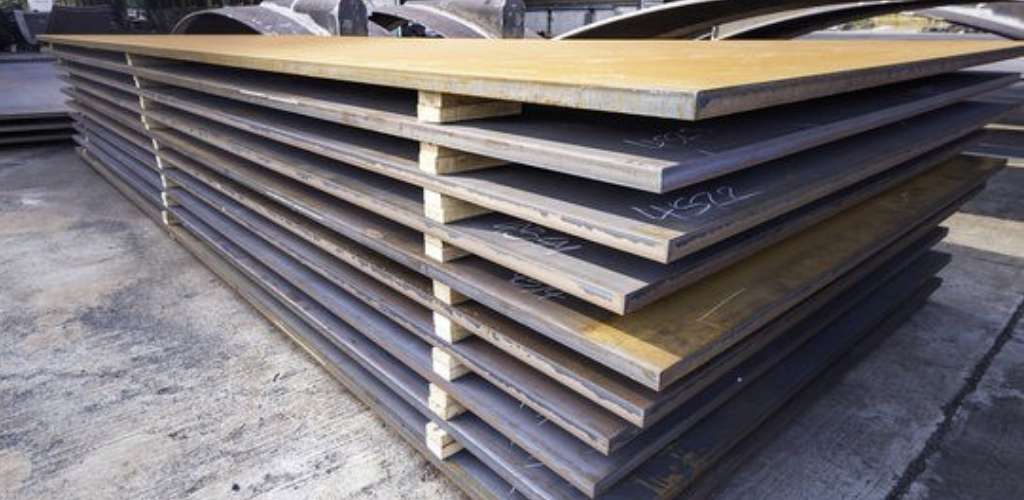


How TO Choose The Right Heavy Steel Plate For Industrial Applications
Heavy steel plates sit at the heart of industrial builds, supporting equipment bases, structural frames, tanks, ducts, and wear-facing parts. The right selection is less about choosing a 'strong' plate and more about matching service conditions, fabrication needs, and inspection requiremrnts to the correct steel family.
In India, buyers may compare options from a steel plant in India or through service centers, but dependable outcomes start o nthe drawing board. This article shows how to compare mild alloy, and stainless plates, lock in tolerances, and align quality documentation so your project moves smoothly from procurement to fabrication with fewer avoidable delays.
Start With Service Conditions And Duty Cycle
Begin by converting operating reality into requirements. A heavy plate that looks right on paper can behave differently once load cycling, heat, moisture, or abrasivecontact enter the picture.
Ask and Document:
- 1. Dominant load type: Static, cyclic, or impact
- 2. Exposure: Water, chemicals, fumes, or frequent washdowns.
- 3. Temperature range and heat sources near the plate
- 4. Expected life: Repairable part or "fit-and-forget" component.
Clear answers here keep you from buying unnecessary alloying or, worse, buying a plate that drives rework later.
Choose The Steel Family With Purpose
Treat materials selection as a performance decision first, and a price decision second. Start with the steel family, then tighten the sepcification with the fabricator and supplier.
A quick way to frame the options:
- 1. Mild Steel:Often chosen for general structural duties; MS plates may suit projects where weldability and cost control matter, with surface protection planned for corrosion-prone sites.
- 2. Alloy Steel:May be preffered where higher strength retention, wear resistance, or elevated-temperature service is a design driver; welding controls and inspection planning tend to become more important.
- 3. Stainless Steel:Can be considered where corrosion resistance, cleanliness, or frequent wet exposure matters; it may require stricter handling to preserve surface condition.
Read Mechanical Behaviour And Weldability Together
Strength alone rarely tells the full story. For heavy plates, it helps to read mechanical properties alongside fabrication constraints, especially when elding restraint is high.
When reviewing test documents or specifications, look for:
- 1. Yield and tensile behaviour to understand deformation versus failure
- 2. Toughness requirements that match your opertaing temperature and shock risk
- 3. Guidance on weldability (procedure qualification, consumables compatibility, and heat control)
- 4. Any through-thickness requirement if the purchase specification rather than assuming it is "standard".
Define Thickness, Flatness, And Surface Requirements Early
Thickness affects weight, welding volume, distortion control,and processing time, so define it with fabrication in mind, not just structural strength.
Alongside thickness, specify:
- 1. Flatness expectations for fit-up and assembly
- 2. Dimensional tolerance to reduce shimming and heat straightening
- 3. Surface condition for coating adhesion and cutting quality
- 4. Edge condition needed for weld preparation
This is where many delays begin: unclear tolerances can push extra grinding, straightening, and rework onto the shop floor.
Confirm Standards, Testing, And Supply Readiness In India
Quality control is easier when documentation and traceability are built into the order. Use recognised Indian standards or widely accepted international equivalents, and align inspection needs before material dispatch.
While evaluating steel companies in Indiaor stockist, check for:
- 1. Traceable mill test certification (heat identification and test results)
- 2. Clear acceptance criteria and agreed inspection hold points
- 3. Capability for profiling, bevelling, or other pre-processing if required
- 4. Packaging and handling that protect surface condition during transport and storage
Also confirm lead-time commitments and access to technical support when drawings change.
Conclusion
Choosing the right heavy steel plate is a requirement-led exercise: define service conditions, pick the steel family that fits, align mechanical behaviour with weldability, and lock in tolerances and surface condition early. Theninsist on traceable testing and standards compliance from the supply chain.
When engineering, procurement, and plate fabrication teams work from the same specification, material selection becomes simpler, and downstream surprises tend to reduce. A concise purchase specification, shared early with the stop and supplier, often saves time across cutting, welding inspection, dispatch, and overall site coordination.
Explore our latest Post