
Heavy Plate Fabrication: Process, Equipment & Quality Standards
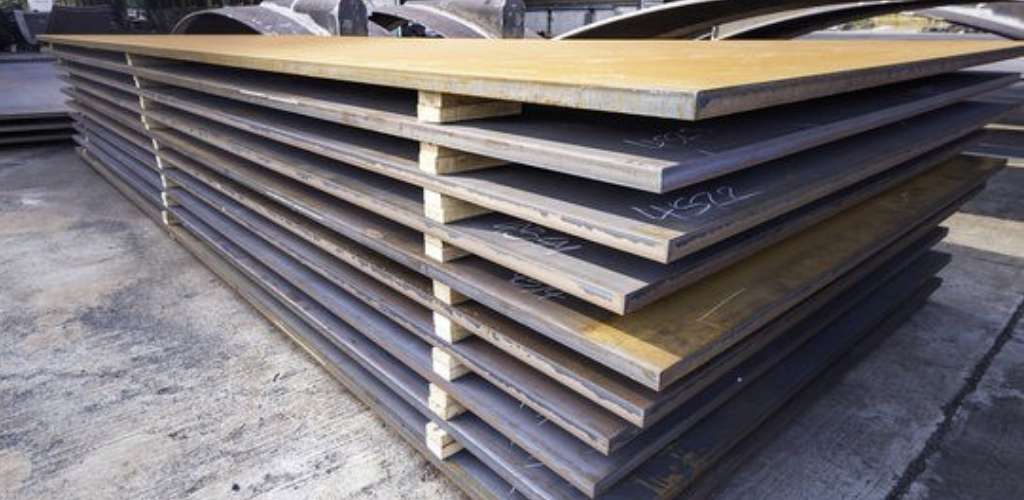
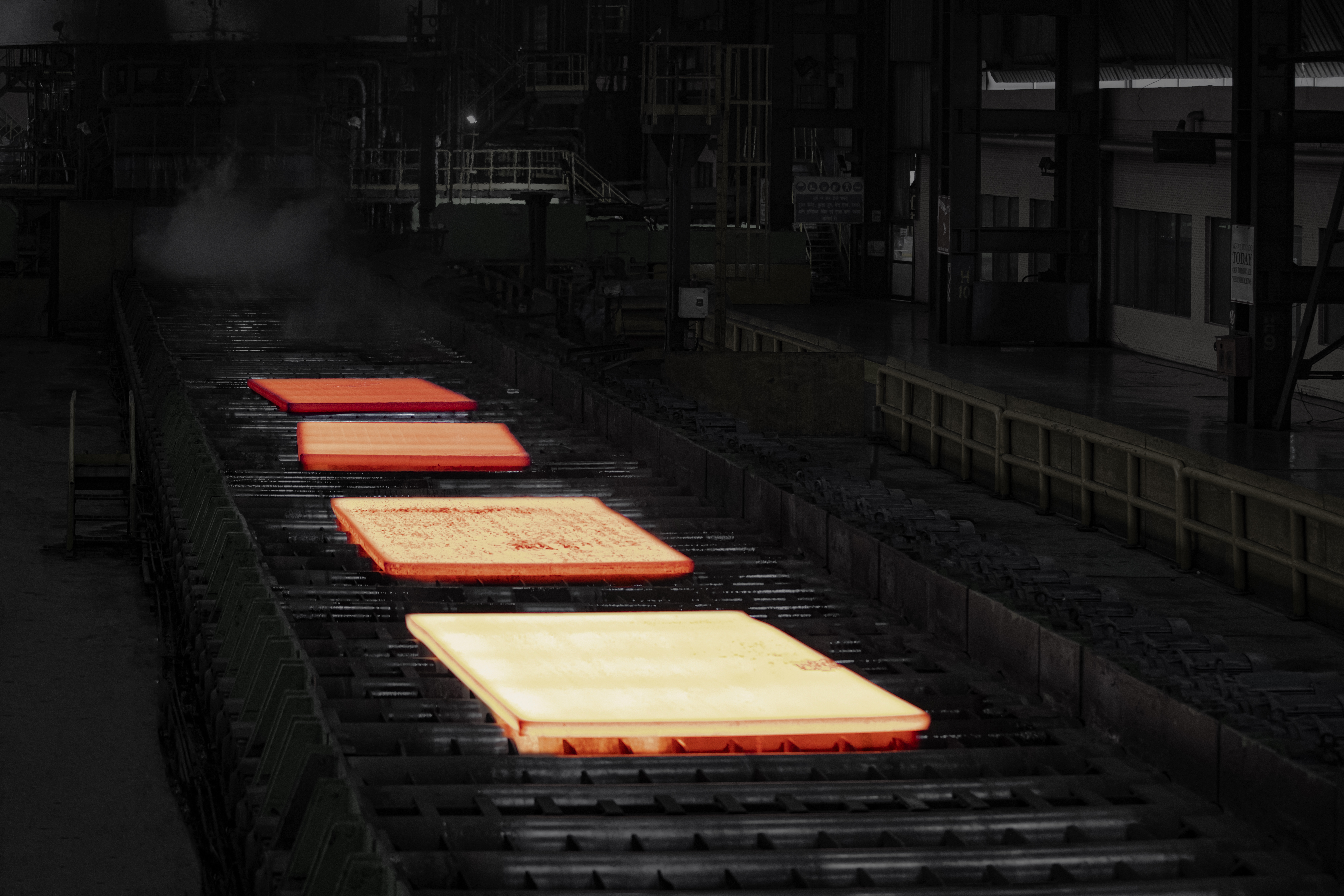
Heavy plate fabrication is the controlled process of converting steel plate into assembled, welded parts that meet drawing requirements. If you are buying plate work in India, it helps to understand how the workflow is organised, which equipment affects repeatability, and how quality is checked before release. It can help avoid receiving surprises.
Understanding Heavy Plate Fabrication
This fabrication route brings together cutting, forming, fit-up, welding, and finishing under a defined job route. The focus is usually on tracebility, dimensional control, and inspection readiness through each stage.
In most plate fabrication shops, the route is built around:
- Material identification and part tracking
- Planned cutting and edge preparation
- Measure fit-upbefore welding
- Syaged inspection and recorded checks
Planning And Process Route
A large share of fabrication risk is addressed before the first cut, during drawing review and routeplanning. The aim is to align shop steps with acceptance criteria so rework does not become the default.
- Confirming drwaing revision, notes, and scope
- Identifying datums, critical dimensions, and interfaces.
- Agreeing on joint design, weld sequence, and access
- Defining inspection hold points and documentation needs
- Planning safe handling, turning, and staging on the shop floor
Cutting, Forming, And Fit-Up Discipline
Cut quality and geometry control influence how smoothly assemblies come together. Steel plate fabrication often relies on measured set-up, clean edges, and fixtures so the first tack weld does not lock in misalignment.
Shops typically control this stage by:
- Profiling to datums and checking key dimensions in-process
- Cleaning edges and preparing bevels as specified
- Mananing gaps, mismatches, and squareness at joints
- Using jigs, clamps, and strong-backs where suitable
- Recording intermediate checks before full welding starts
- Protecting edges and surfaces during shifting and turning
Welding Controls And Distortion Management
Welding is closely watched in heavy plate fabrication it can influence both integrity and final geometry. Fabricators commonly work to approved welding procedures, maintain personnel qualifications, and control consumables.
Controls that are often used include:
- Verifying joint preparation and cleanliness before welding
- Managing parameters, heat behaviour, and inter-run cleaning
- Sequencing welds and using restraint to limit distortion
- Monitoring fit-up during welding progression
- Carrying out controlled correction when permitted by the specification
Inspection Records And Quality Discipline
Quality standards for heavy steel plate fabrication are usually built on staged checks rather than end-of-line inspection alone. Buyers often expect records that link the built item to the drawing and to agreed inspection plan.
A release pack may include:
- Dimensional reports for critical features and interfaces
- Visual inspection records at defined stages
- The order specified testing records
- Repair and re-inspection notes, if applicable
- Dispatch tagging and packing confirmation
- Traceability documents are maintained through the job route
Equipment That Supports The Workflow
Equipment does not replace skill, but it can improve access, stability, and measurement discipline. In heavy plate work, handling and positioning tools often make the difference between controlled welding and avoidable variability.
Common equipment used in plate fabrication includes:
- Lifting and turning aids for orientation control
- Profiling and bevel preparation tools
- Forming equipments, such as rolls of presses
- Positioners, rotators, and manipulators for weld access
- Calibrated measuring tools and alignment aids
- Machining capability for holes and interfaces when required
What to confirm Before You Place a Fabrication Order
Clear ordering reduces ambiguity during manufacture and inspection. If you confirm expectations early, the fabricator can plan the route properly, and you can review deliverables without back-and-forth at dispatch
Many buyers choose to align on :
- Drawing revision control and acceptance criteria wording
- Inspection plan, witnessing needs, and reporting format
- Traceability and documentation deliverables at handover
- Surface preparation, marking, and packing requirements
- Deviation handling, repair approval, and rework communication
Closing Thoughts
Heavy plate fabrication often works better when planning, handling, welding, and inspection are treated as one connected workflow. If you agree on acceptance criteria early and keep stage-wise checks visible, your plate fabrication order is easier to receive and integrate into your project.

Explore our latest Post